01 / STRUCTURE
First, we shape the path.
Who arrives, what are they looking for, and where should they go next? Before color and motion, we clarify content order and the relationship between pages.
FARCOM / BESPOKE WEB EXPERIENCE
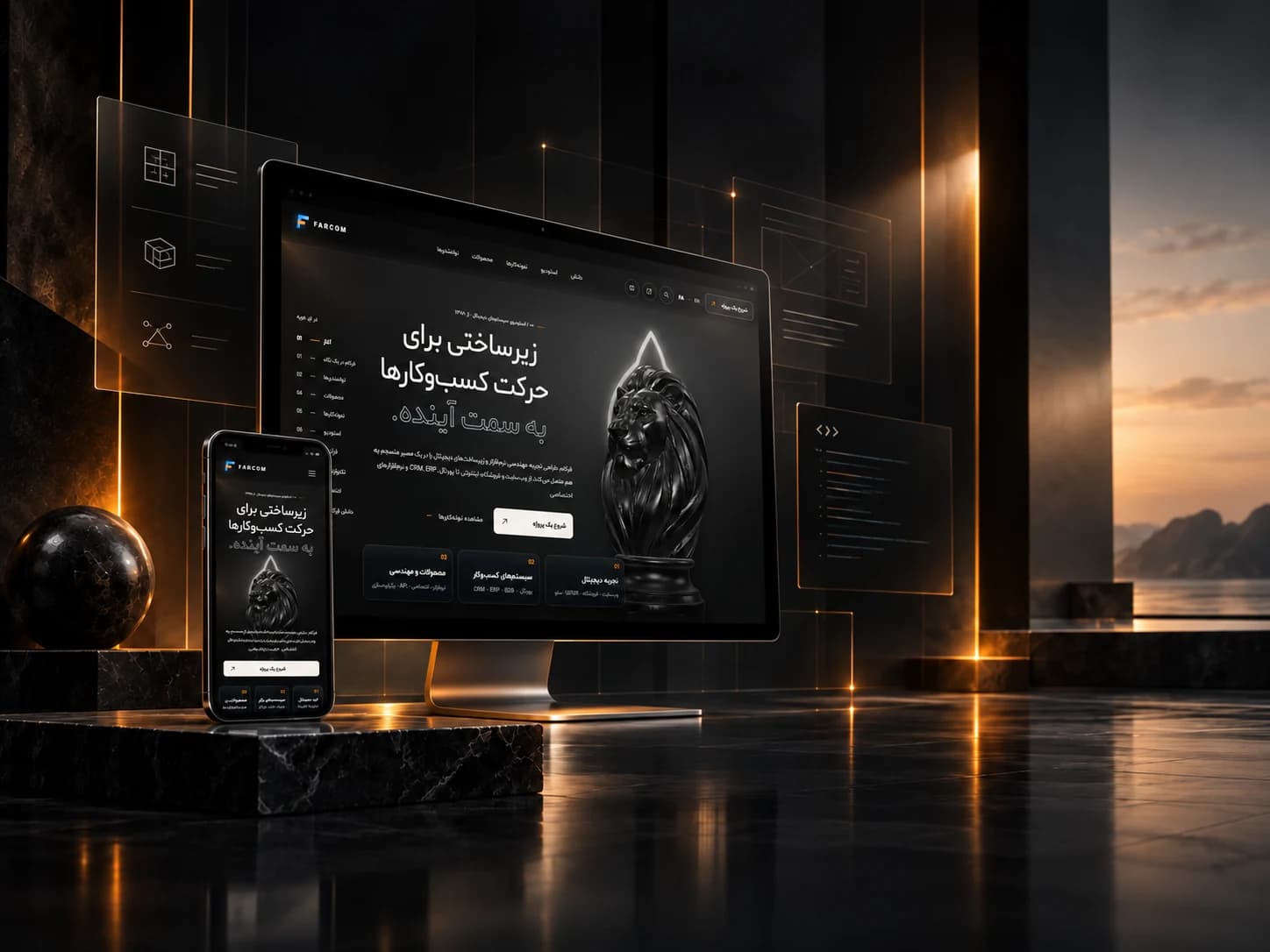
A website with content structure, design, and capabilities shaped around your business—from service presentation and product catalogs to CRM integration. We clarify the need first, then choose the right foundation and development approach.

Behind every new experience,
years of building.
01 / YOUR REASON TO BE DIFFERENT
Present services, help people choose a product, or connect enquiries to the sales team. Choose the direction closest to your need to see the relevant capabilities.

BRAND / EXPERIENCE
Present your services and capabilities through a structure that makes the brand story clear and guides people towards a meaningful next step.
02 / FROM INTENT TO EXPERIENCE
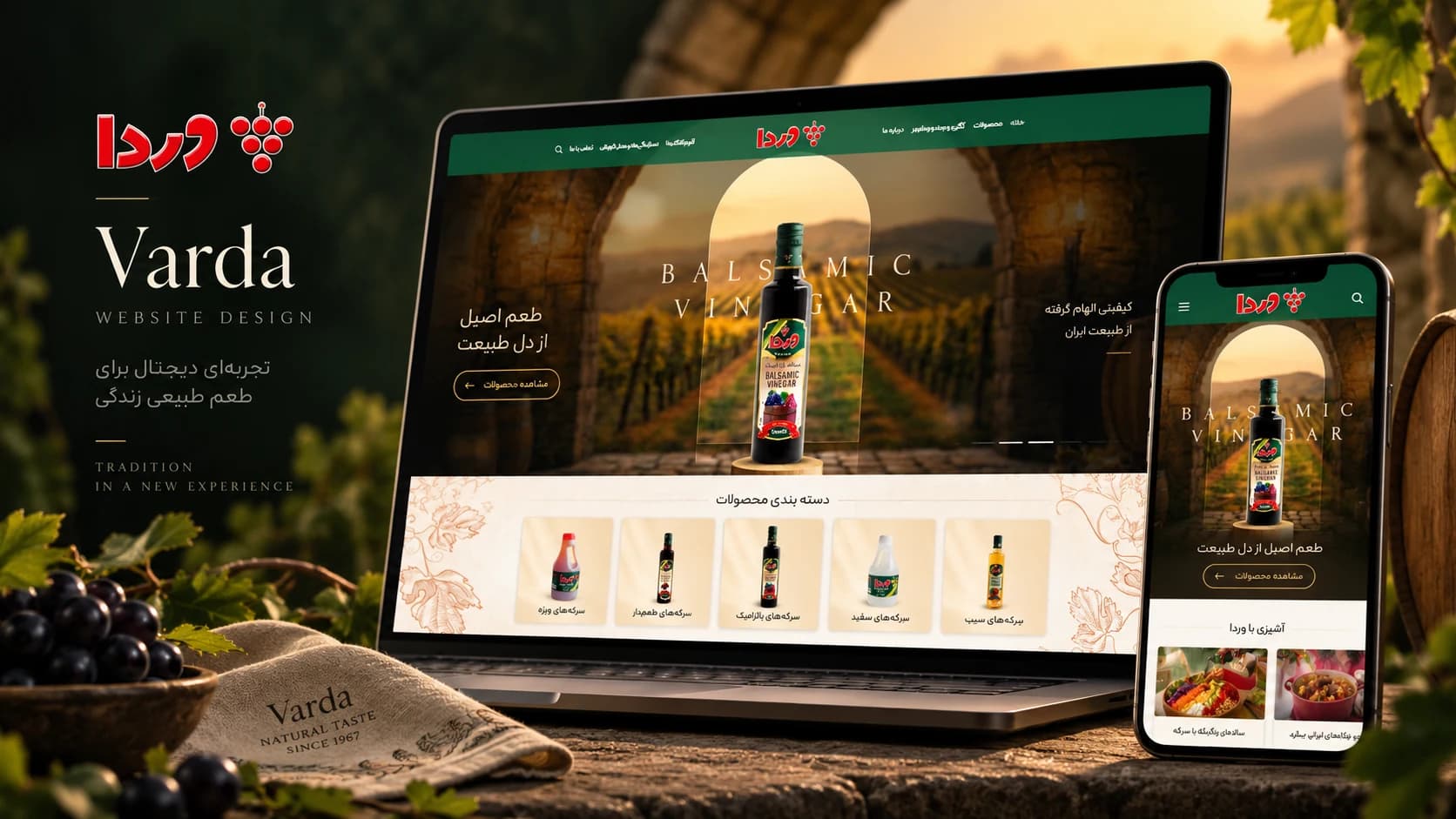
Structure, identity, and engineering take shape in one continuous process. Explore the three stages through an example drawn from Varda’s design language.
01 / STRUCTURE
Who arrives, what are they looking for, and where should they go next? Before color and motion, we clarify content order and the relationship between pages.
02 / EXPRESSION
Image, typography, spacing, and motion become one coherent experience. The design should retain the same identity on a large screen and in a visitor’s hand.
03 / ENGINEERING
The design becomes code, a content model, and the integrations it needs. Before launch, we review user paths, speed, mobile display, and security controls.
03 / THE WORK SPEAKS
Real FARCOM projects showing how content, imagery, and experience come together.
Scroll to explore the next experience
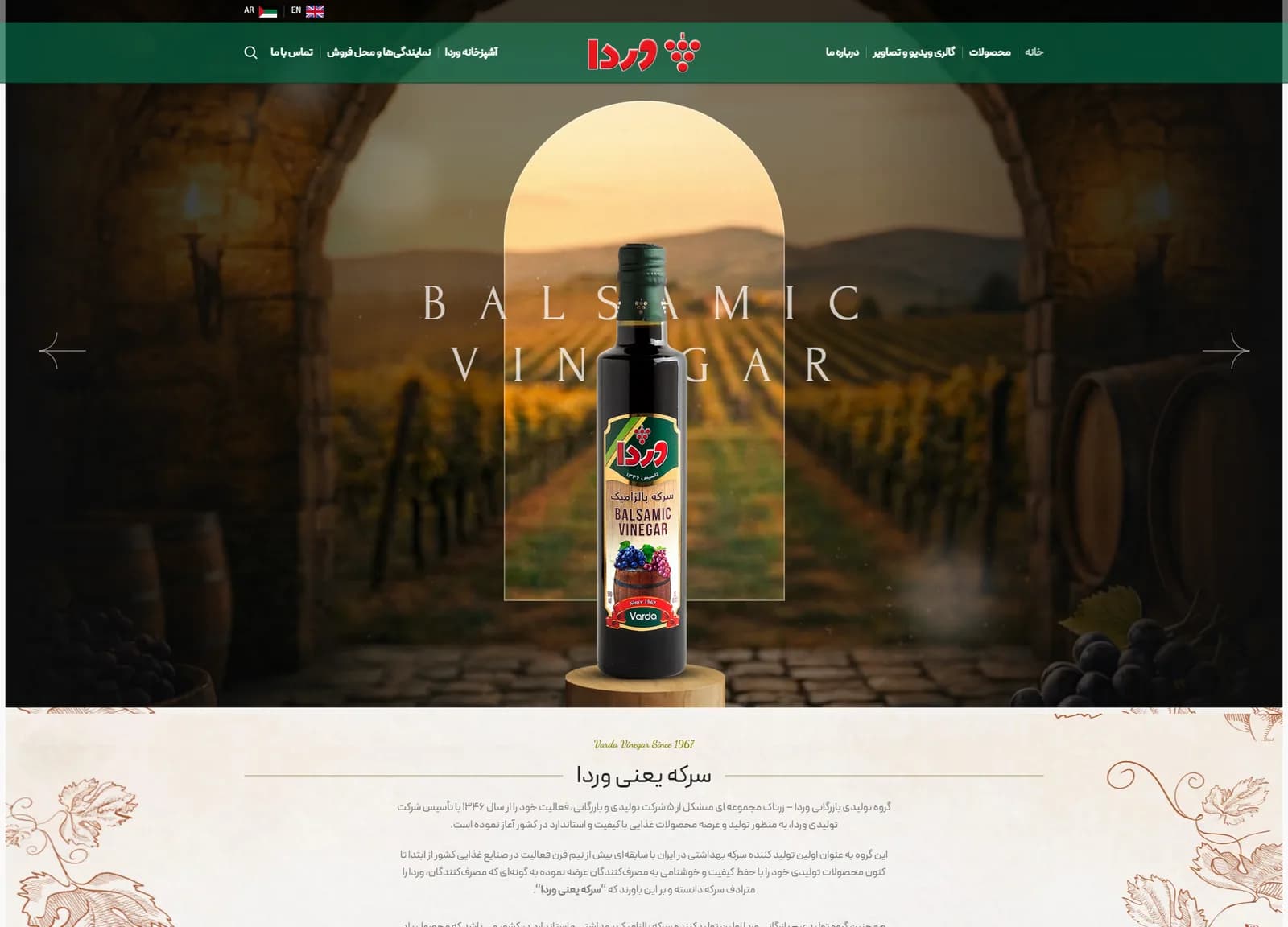
A brand and product experience that connects Varda’s story, product range, and editorial content.
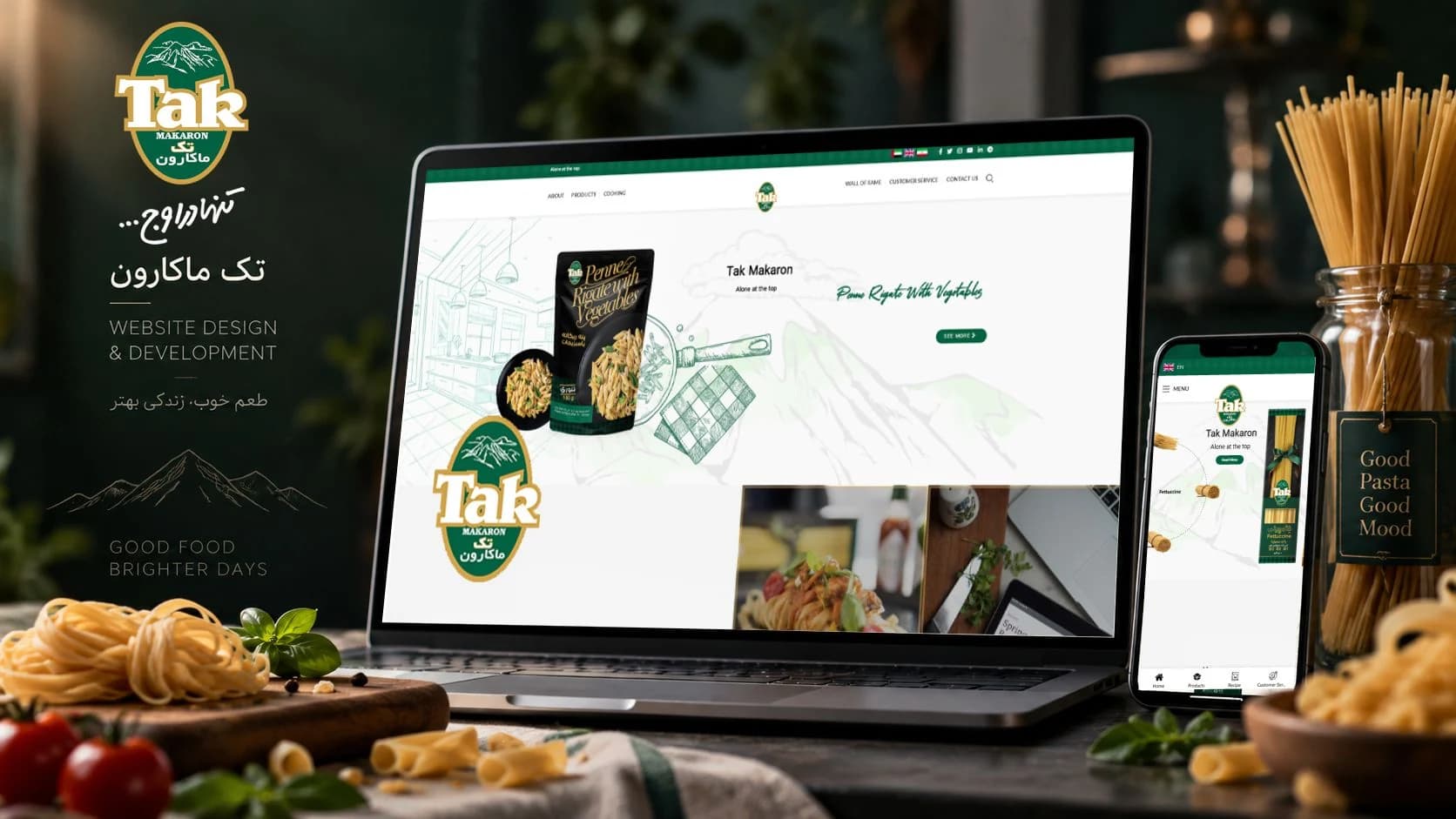
A unified experience for the brand, products, recipes, video, and production environment.
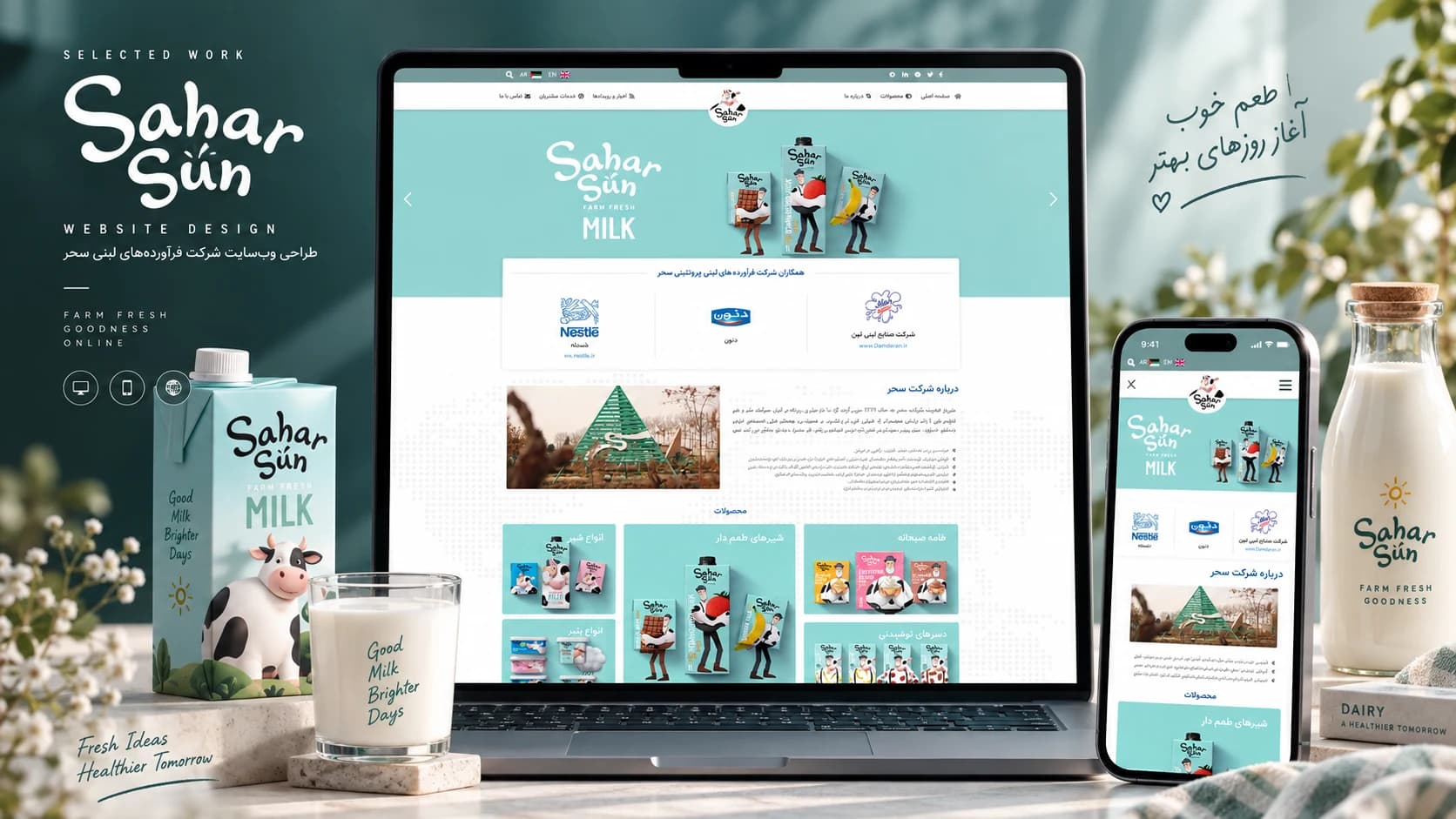
A corporate and product experience connecting the organization, product families, and production.
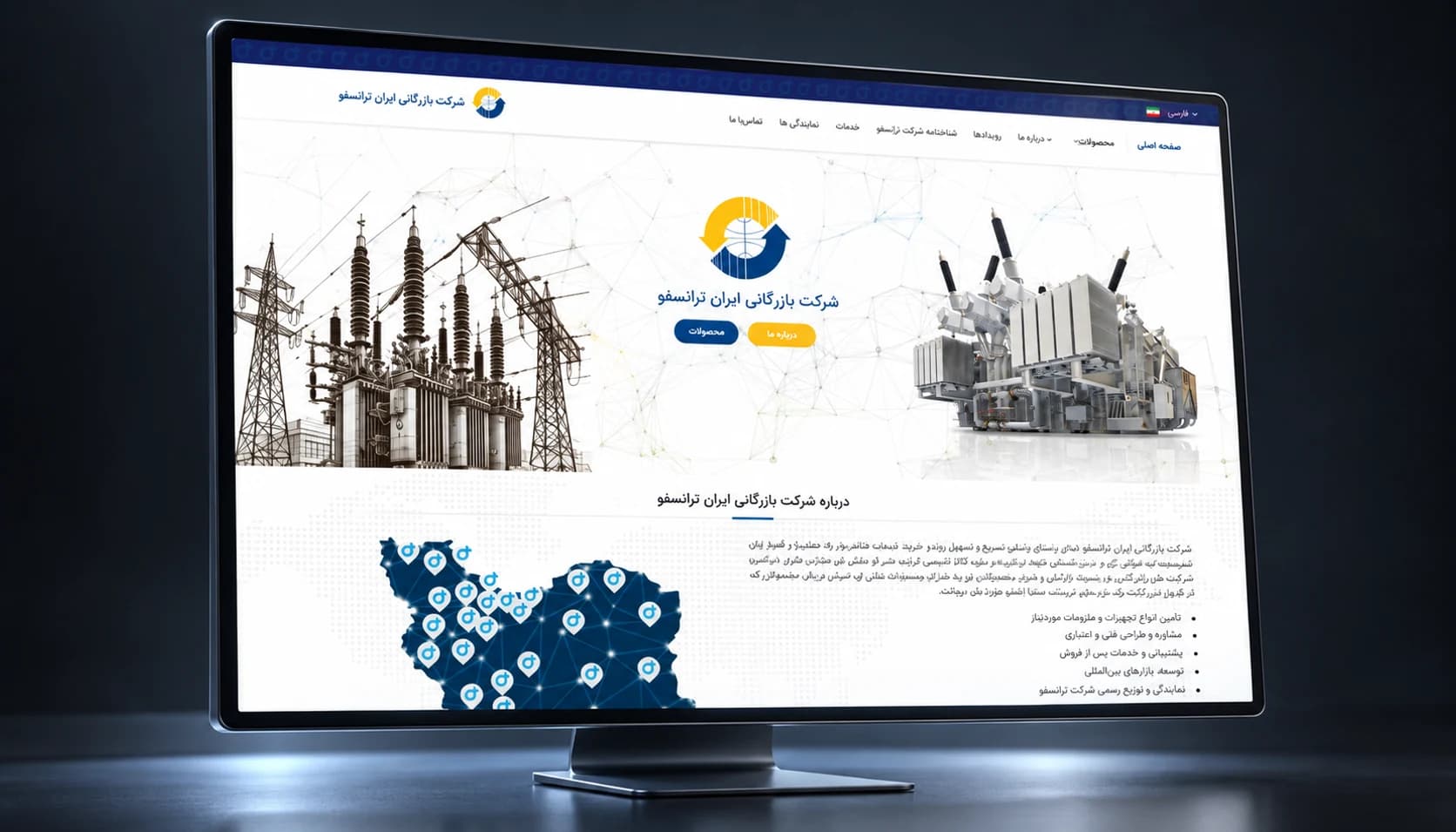
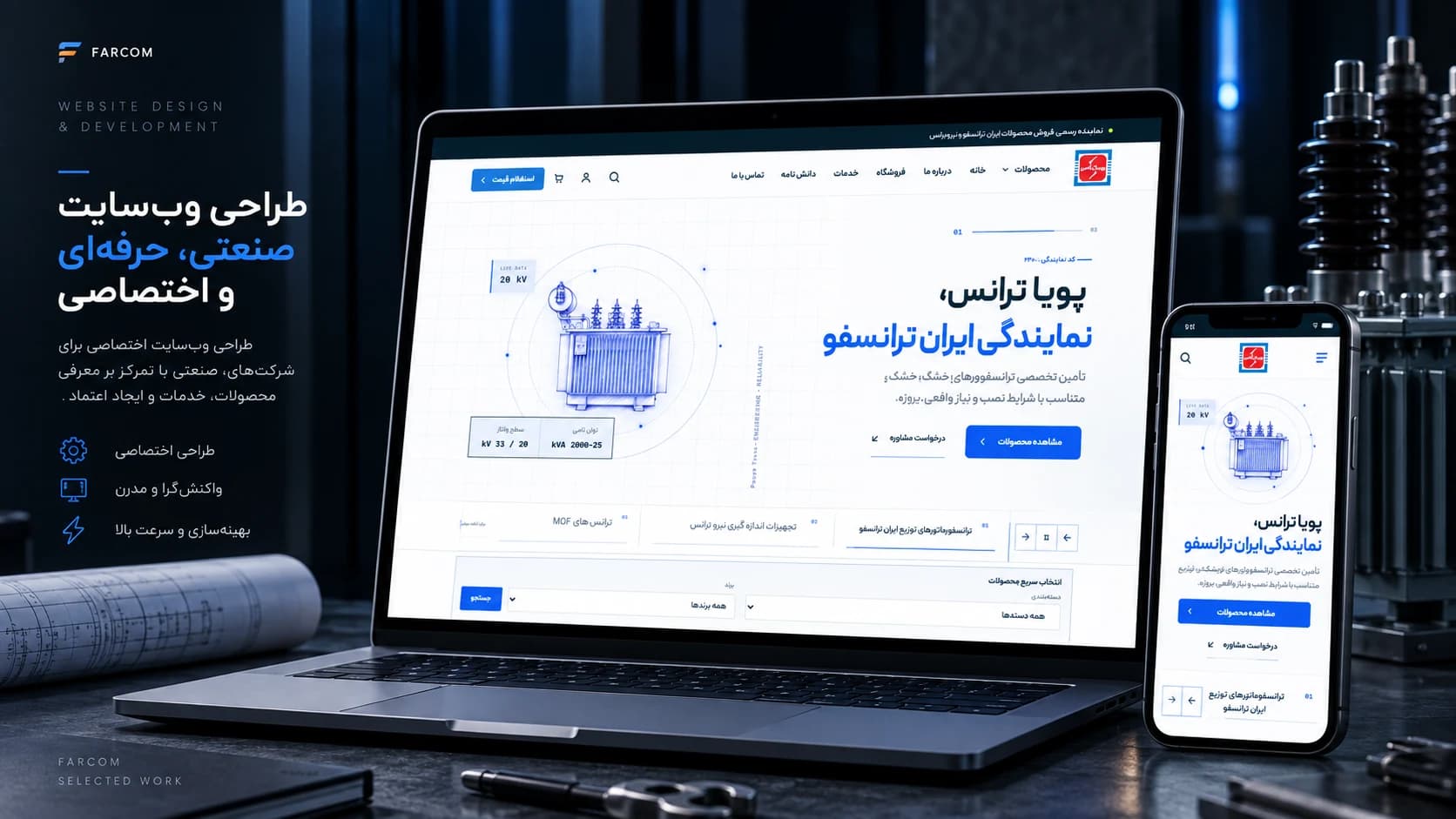
A structured industrial presence for the company, its products, distributor network, and customers.
An industrial website with equipment categories, technical information, and quotation paths.
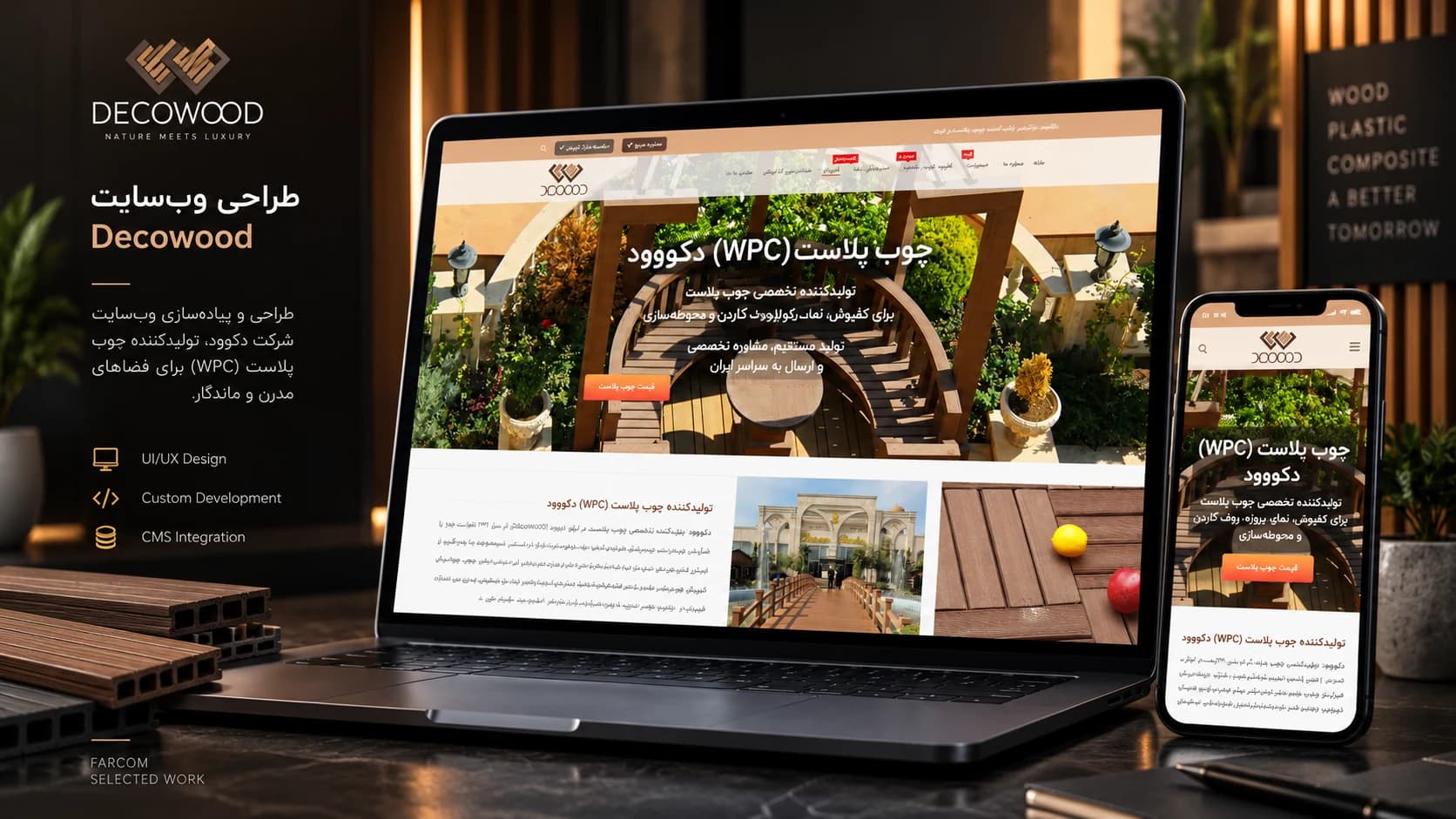
A product-led corporate experience showing composite wood in real architectural applications.
04 / CRAFTED BELOW THE SURFACE
Custom engineering provides control over structure, behavior, and future development. Each capability is selected around your needs and defined before implementation.
Admin fields and sections are based on the website’s real content—from service pages to products and insights.
Forms, CRM, and external services connect according to the project scope and the availability of secure data exchange.
A responsive interface, optimized images, and crawlable structure—together with keyboard-experience and page-performance reviews.
Access control, input validation, and dependency review are considered throughout development and handover.
Current technology, selected around your project.
The final stack is selected around security, performance, integration, and maintainability.
05 / BUILT TO BE YOURS
From the outset, we make clear what will be built, how your team will use it, and where future development can continue.
Define the project scope together ↗Page patterns and interactions defined within the agreed project scope.
An admin experience aligned with content, permissions, and team guidance.
Checks for primary journeys, links, mobile display, and technical launch settings.
Handover documentation plus a defined scope for support and future changes.
A CLOSER LOOK
The interface and page patterns may be designed specifically for your brand while content is managed with WordPress or another CMS. A custom admin system is considered when roles, information models, or integrations require it. Infrastructure should fit the budget, team capability, and maintenance cost.
When the content structure, user journeys, or required integrations do not fit an off-the-shelf solution, custom development provides more precise control. Being custom is not the goal by itself; it should create a better experience, simpler management, or a capability the business genuinely needs.
Corporate and ecommerce describe what a site does; custom describes how it is designed and built. A corporate site or online store can also be custom-built. This page focuses on needs that require tailored content architecture, interaction, or integration; purchasing and payment capabilities are covered on the ecommerce page.
The number of page patterns, interaction complexity, content model, languages, data migration, and external integrations all shape the scope. Once those needs are understood, we define the stages and outputs so the estimate reflects the project’s real work.
For a redesign, current URLs and content are inventoried first. We define a migration and redirect map for changed pages, then review links and search-engine access after launch. The goal is to reduce migration risk and preserve website assets; search rankings cannot be guaranteed.
To begin an estimate, outline the essential capabilities, languages, available content, and required integrations. Read the project brief guide ↗
LET’S MAKE IT CLEAR
Clarify the path before we begin.
Prepare your project brief ↗In a custom project, content architecture, interface, components, and technical logic are designed around your actual requirements rather than the constraints of a pre-built template.
Yes. The content model and admin experience are shaped around your team’s roles and publishing process.
Future development is considered when selecting the architecture. Every new capability still depends on compatibility with the infrastructure, external services, and project scope; the required changes and cost are defined before implementation.
Yes. The interface and page patterns can be custom-designed while WordPress handles content management. If the data model, permissions, or integrations exceed that option, we assess a different foundation.
The agreement should define delivery of code and design files, hosting and admin access, third-party licences, and documentation. We review these alongside the support scope before the project begins.
Page patterns, capabilities, languages, integrations, and data migration shape the implementation estimate. Hosting, service licences, updates, and support are separate costs whose scope and duration should also be clear.
YOUR NEXT EXPERIENCE / FARCOM
Tell us about the audience, content, and objective.
Together, we’ll clarify the path to design and delivery.